ILSE PIERARD (BE)
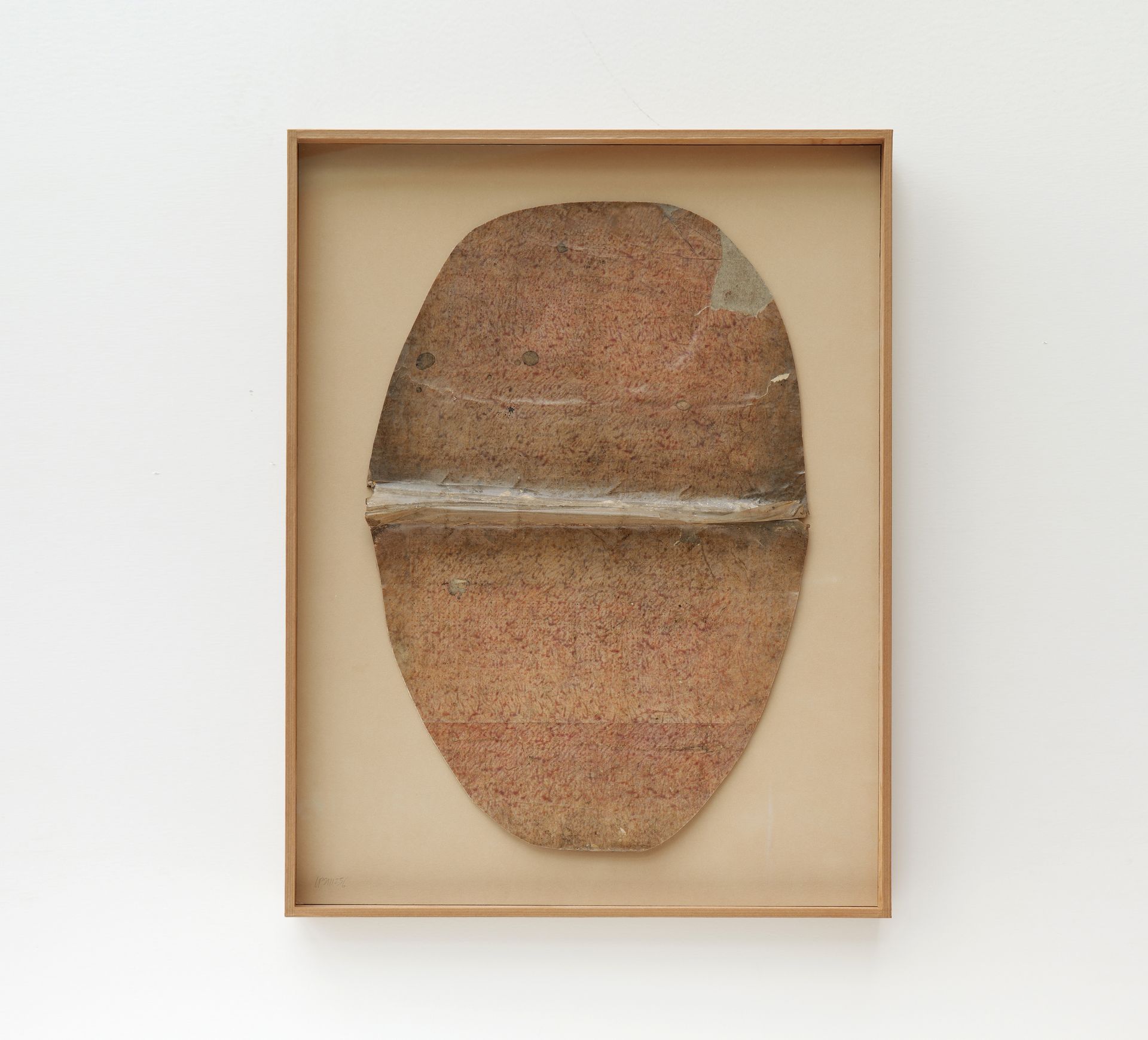
CELL2111256
2025
assemblage
gevonden papier op passepartoutkarton
handgemaakte lijst met UV-werend en antireflectieglas
51 x 66 x 4,5 cm
CELL2111256
2025
assembly
found paper on passe-partout board
handmade frame with UV-resistant and anti-reflective glass
51 x 66 x 4,5 cm
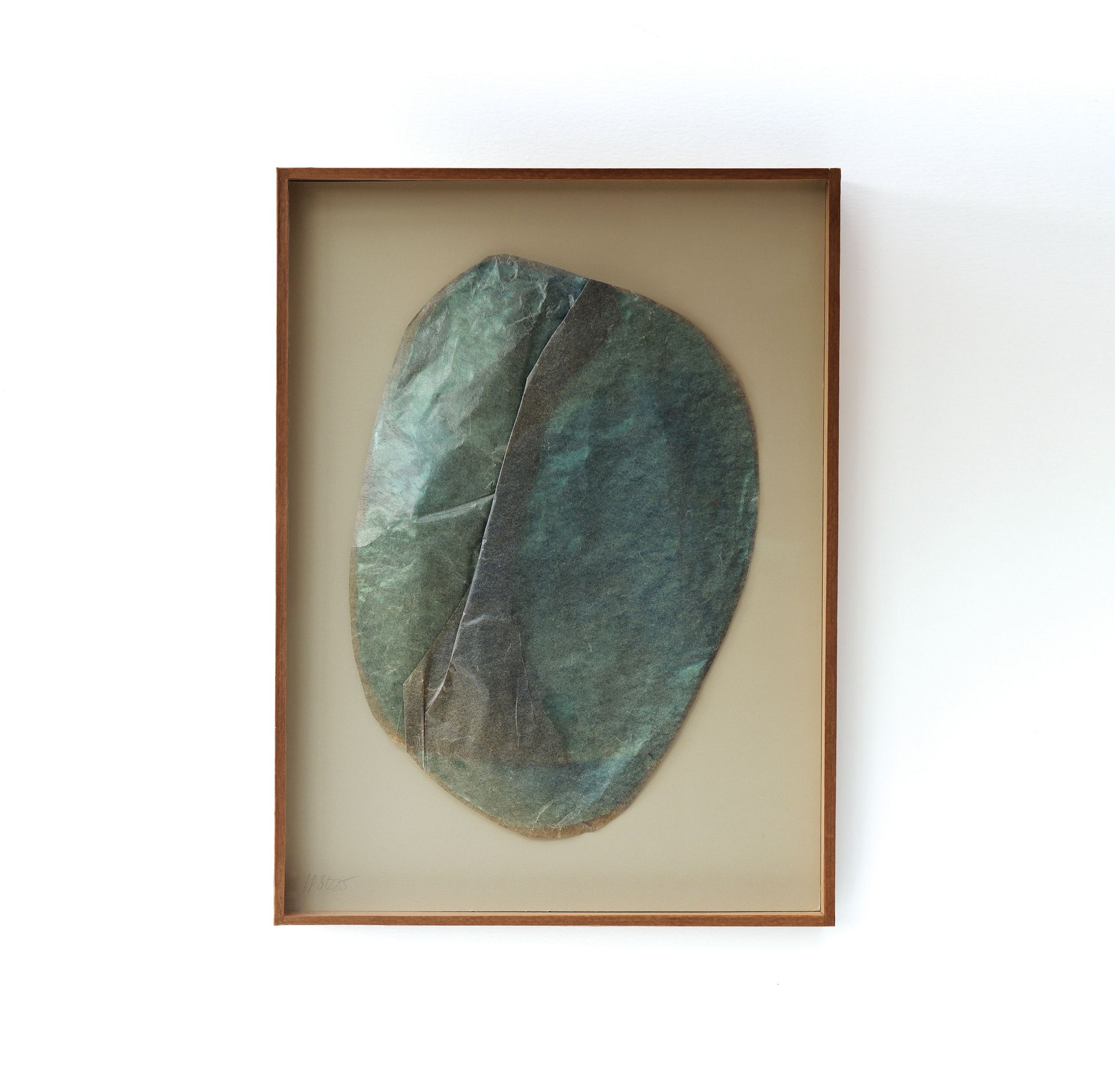
CELL81225
2025
assemblage
transparant papier en folie op passepartoutkarton
handgemaakte lijst met UV-werend en antireflectieglas
36 x 48 x 3,5 cm
CELL81225
2025
assembly
transparent paper and foil on passepartout cardboard
handmade frame with UV-resistant and anti-reflective glass
36 x 48 x 3,5 cm
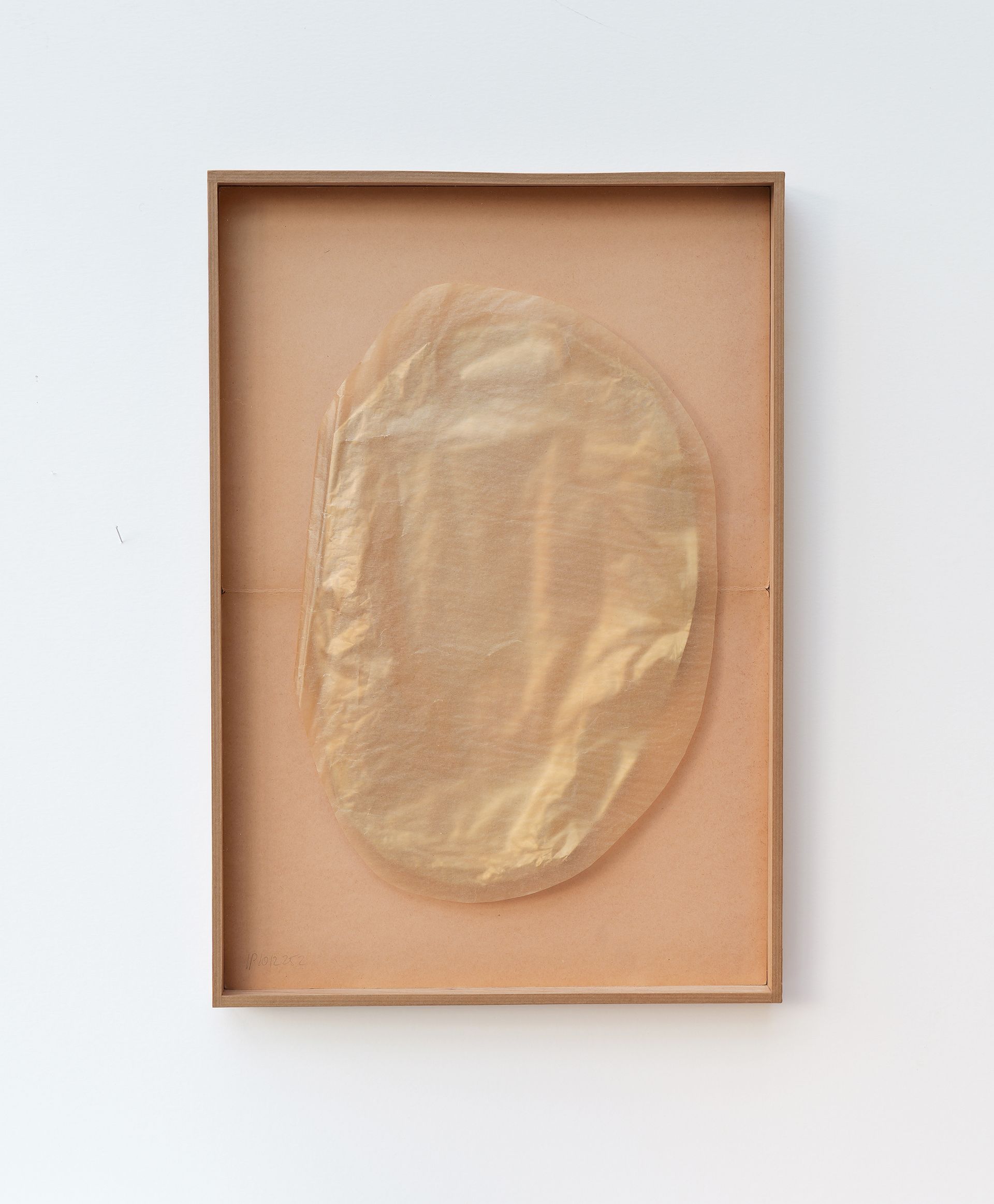
CELL1012252
2025
assemblage
gevonden papier en folie op gevonden drager
handgemaakte lijst met UV-werend en antireflectie glas
37 x 53 x 4 cm
CELL1012252
2025
assembly
found paper and foil on found support
handmade frame with UV-resistant and anti-reflective glass
37 x 53 x 4 cm
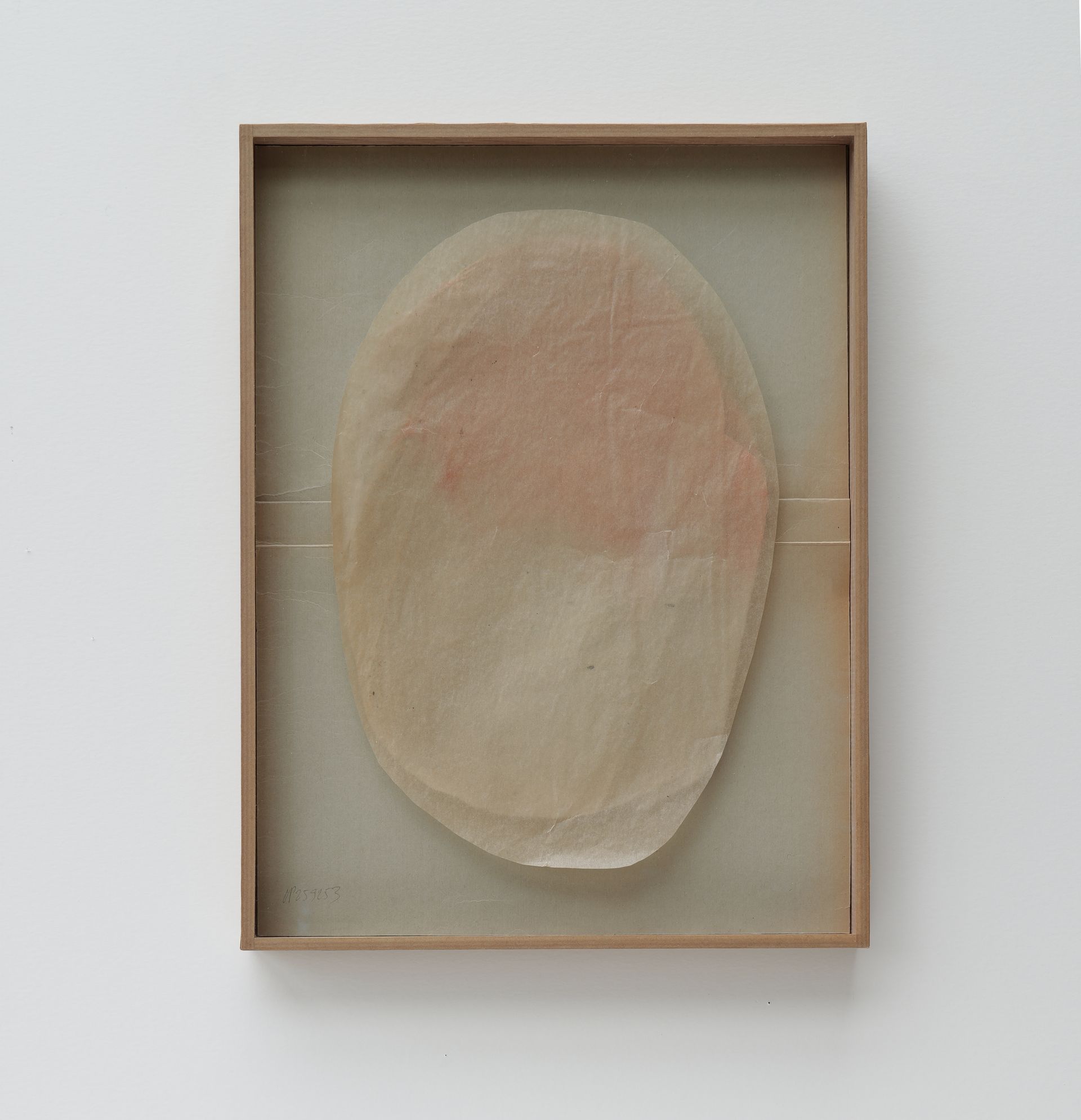
CELL259253
2025
assemblage
zijdepapier, gevonden papier en eosine op gevonden drager
handgemaakte lijst met UV-werend en antireflectie glas
31 x 40,5 x 4 cm
CELL259253
2025
assembly
tissue paper, found paper and eosin on found support
handmade frame with UV-resistant and anti-reflective glass
31 x 40,5 x 4 cm
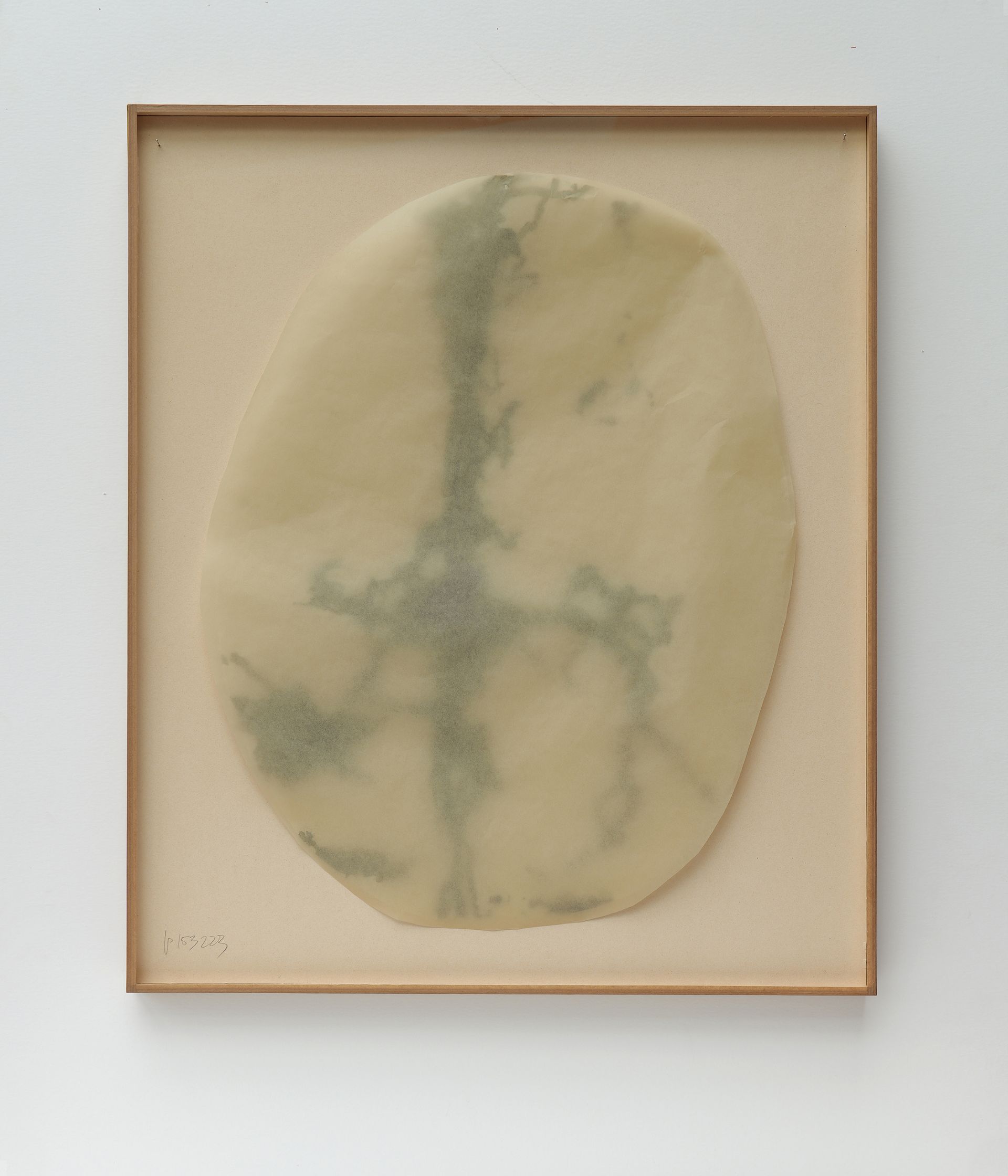
CELL153223
2025
assemblage
zijdepapier en bister op passepartoutkarton
handgemaakte lijst met UV-werend en antireflectie glas
58 x 69 x 4 cm
CELL153223
2025
assembly
tissue paper and bistre on passe-partout cardboard
handmade frame with UV-resistant and anti-reflective glass
58 x 69 x 4 cm
VERWIJLEN (achtste kamer)
Hoe complex is de kern van het leven, hoe complex is de representatie ervan?
Ilse Pierard onderzoekt in haar werk de delicate grens waar materie en herinnering elkaar ontmoeten. Haar papieren objecten, vaak opgebouwd uit lagen gevonden papier, zijdepapier, transparant papier of folie, zijn tegelijk fragiel en krachtig.
De geabstraheerde celvorm, die als een rode draad door haar oeuvre loopt, fungeert als een archetypisch motief: elementair, universeel en geladen met betekenissen die verwijzen naar leven, kwetsbaarheid en veerkracht.
Het papier dat ze hanteert en bewerkt is nooit neutraal. Oud verpakkings-materiaal, gevonden documenten en mappen dragen hun eigen ge-schiedenis in zich: sporen van tijd, van aanraking, van vergankelijkheid. In dit opzicht krijgt haar praktijk een bijna archeologisch en antropologisch karakter: als fragmenten uit een onbekende cultuur of een persoonlijke genealogie worden deze materialen hernomen en tot stille objecten gevormd. Pierard omarmt de tekenen van slijtage en integreert ze in haar beeldtaal. Zo wordt papier meer dan materiaal alleen; het wordt een drager van herinneringen en echo’s, van verhalen die zich niet luid uitspreken maar zachtjes doorsijpelen.
In haar werk overheerst een geladen stilte. De lagen die ze scheurt, plooit en weer opbouwt, creëren een huid die ademt en licht opvangt. Deze subtiele beweging tussen onthullen en verhullen nodigt de beschouwer uit tot vertraging. Wie haar werk bekijkt, ervaart vaak een moment van geborgenheid, alsof er een verborgen resonantie wordt aangeraakt die voorbij het individuele ligt en een dieper, universeel register opent.
Pierards cellen zijn geen illustraties, maar stille getuigen. Ze stellen niets vast, maar laten ruimte om te ervaren — fysiek, intuïtief en affectief. In hun eenvoud en terughoudendheid bezitten ze een intensiteit die zich niet opdringt maar ontvouwt. Daarmee worden ze poëtische getuigen van het onzichtbare ritme dat ons bestaan draagt.
Ilse Pierard, ° 1976, Vilvoorde (BE), woont en werkt in Lippelo (BE)
LINGER (eighth room)
How complex is the essence of life, how complex is its representation?
In her work, Ilse Pierard explores the delicate boundary where matter and memory meet. Her paper objects, often constructed from layers of found paper, tissue paper, transparent paper, or foil, are simultaneously fragile and powerful.
The abstracted cell form, which runs like a common thread through her oeuvre, functions as an archetypal motif: elementary, universal, and charged with meanings referring to life, vulnerability, and resilience.
The paper she handles and manipulates is never neutral. Old packaging material, found documents and folders carry their own history within them: traces of time, of touch, of transience. In this respect, her practice takes on an almost archaeological and anthropological character: like fragments from an unknown culture or a personal genealogy, these materials are repurposed and shaped into silent objects. Pierard embraces the signs of wear and integrates them into her visual language. In this way, paper becomes more than just material; It becomes a carrier of memories and echoes, of stories that do not speak loudly but seep through softly.
A charged silence predominates in her work. The layers she tears, folds, and rebuilds create a skin that breathes and catches light. This subtle movement between revealing and concealing invites the viewer to slow down. Those who view her work often experience a moment of security, as if a hidden resonance is being touched that lies beyond the individual and opens a deeper, universal register.
Pierard’s cells are not illustrations, but silent witnesses. They establish nothing, but leave room to experience — physically, intuitively, and affectively. In their simplicity and restraint, they possess an intensity that does not impose itself but unfolds. In doing so, they become poetic witnesses to the invisible rhythm that sustains our existence.
Ilse Pierard, ° 1976, Vilvoorde (BE), lives and works in Lippelo (BE)